
Ground Gas Barrier Membranes
- Low-level methane and CO2 barrier
- Radon, methane and CO2 barrier
- Non-foil radon, methane and CO2 barrier
- Methane, radon, CO2, hydrocarbons and VOC barrier
- Pre-Applied Gas & Hydrocarbon Membrane
- Software and accessories
ITP’s range of gas barrier membranes provide protection against naturally occurring hazardous gases and soils contaminated with hydrocarbons or toxic industrial pollutants. They are also used for groundwater and environmental protection installations. Gas barriers are necessary wherever there is a risk of naturally occurring radon and need the use of a radon barrier membrane or methane gas. Radon is commonly found over granite formations whereas methane and carbon dioxide are produced as a result of the decomposition of organic matter such as made ground or natural deposits such as coal, peat or silt and this is why we have made the ground barrier for vocs. Developments on brownfield sites such as old industrial sites or contaminated land require effective gas membrane to prevent harmful gases, hydrocarbons and Volatile Organic Compounds (VOCs) from permeating into buildings.
Powerbase® Gas NF is now available to order
For more information take a look at our Powerbase Gas NF section or call our sales team.
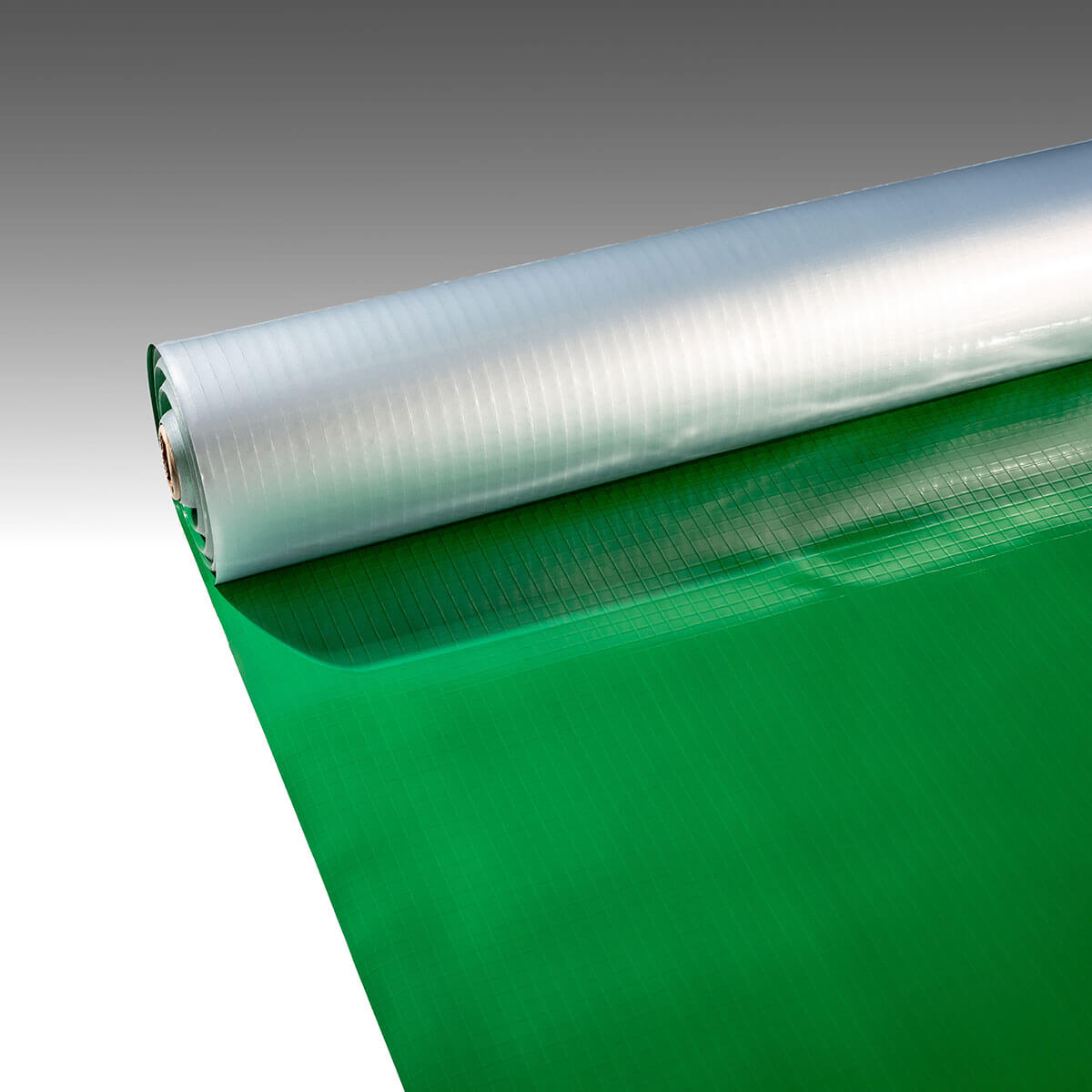
Powerbase Low Perm
Gas barrier membrane for radon and low-level methane and CO2
Powerbase Low Perm is a robust and reliable gas barrier membrane for radon and low levels of methane and CO2. Supplied in 4m x 20m rolls, the membrane is independently tested to ISO 15105-1 manometric test method for methane and CO2.


Powerbase Multigas
LDPE barrier membrane for radon, methane and CO2
Powerbase Multigas is a premium multilayer reinforced LDPE gas barrier membrane engineered to provide durable and reliable protection for buildings wherever there is a risk of radon, methane and CO2. Available in two grades- Multigas 300 and Multigas 500 - the product is supplied in various roll sizes for joining on site, including 2m x 50m. Powerbase Multigas 300 is independently tested to ISO 15105-1 and compliant to BS 8485:2015. Multigas 500 is independently tested to ISO 15105-1, BBA certified and compliant to BS8485:+A1:2019. The membranes come with CE marking confirming that they meet European Union (EU) safety, health, and environmental protection standards.


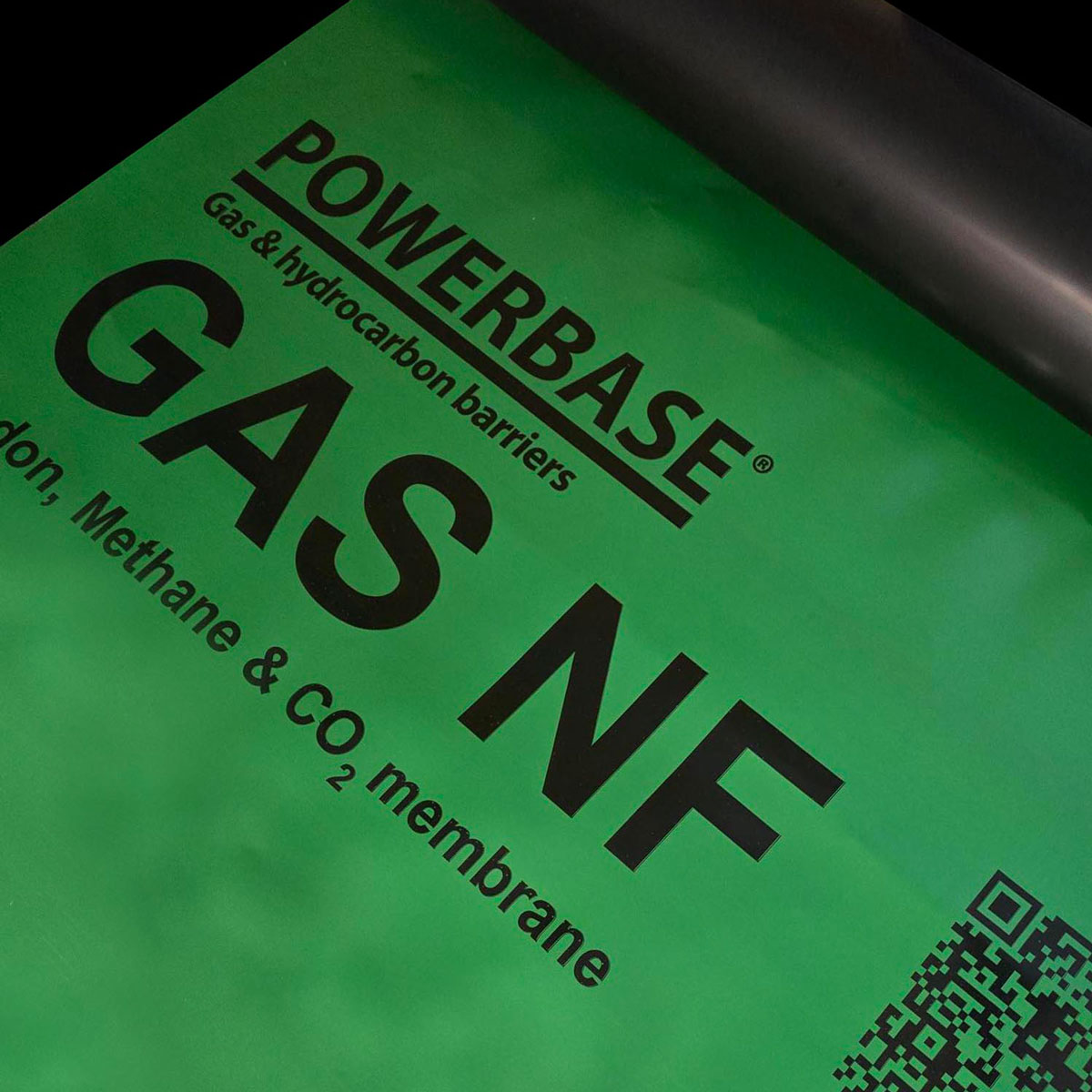
Powerbase Gas NF
Gas barrier membrane for radon, methane and CO2
Powerbase Gas NF is ITP's latest non-foil gas membrane, developed without an aluminium foil layer to remove the risks associated with foil corrosion and delamination in traditional systems. Designed in line with current industry guidance and modern construction practices, it provides tested protection against methane, radon, and CO, while supporting long-term membrane integrity in contact with wet concrete and screed. Fully compliant with EN 13967, BS 8485:2015 + Al:2019, and NHBC NF94 guidance, Powerbase Gas NF reflects over 10 years of ITP innovation in non-foil technology and forms part of the wider Powerbase NF range, offering a modern, reliable solution for ground gas protection.
Powerbase VOC
Multi-layered barrier for methane, radon, CO2, hydrocarbons and VOCs
Powerbase VOC is an innovative multilayered barrier membrane with exceptional resistance to Volatile Organic Compounds (VOCs) and harmful gases including hydrocarbons, methane, radon and carbon dioxide. The membrane comprises protective polymeric layers on both sides of a hydrocarbon and chemical resistant inner core.
Independently tested to ISO 15105-2 and compliant to BS 8485:2015 + A1:2019, Powerbase VOC is specifically designed for developments on brownfield sites or contaminated land, providing the necessary protection against a broad spectrum of toxic vapours and gases.
Supplied in 2m x 30m rolls, Powerbase VOC offers labour savings due to fewer overlaps required. Powerbase VOC is the superior choice for contaminated land projects. It also functions as a damp proof membrane.

VOC NF Pre-Applied
Gas & Hydrocarbon Membrane
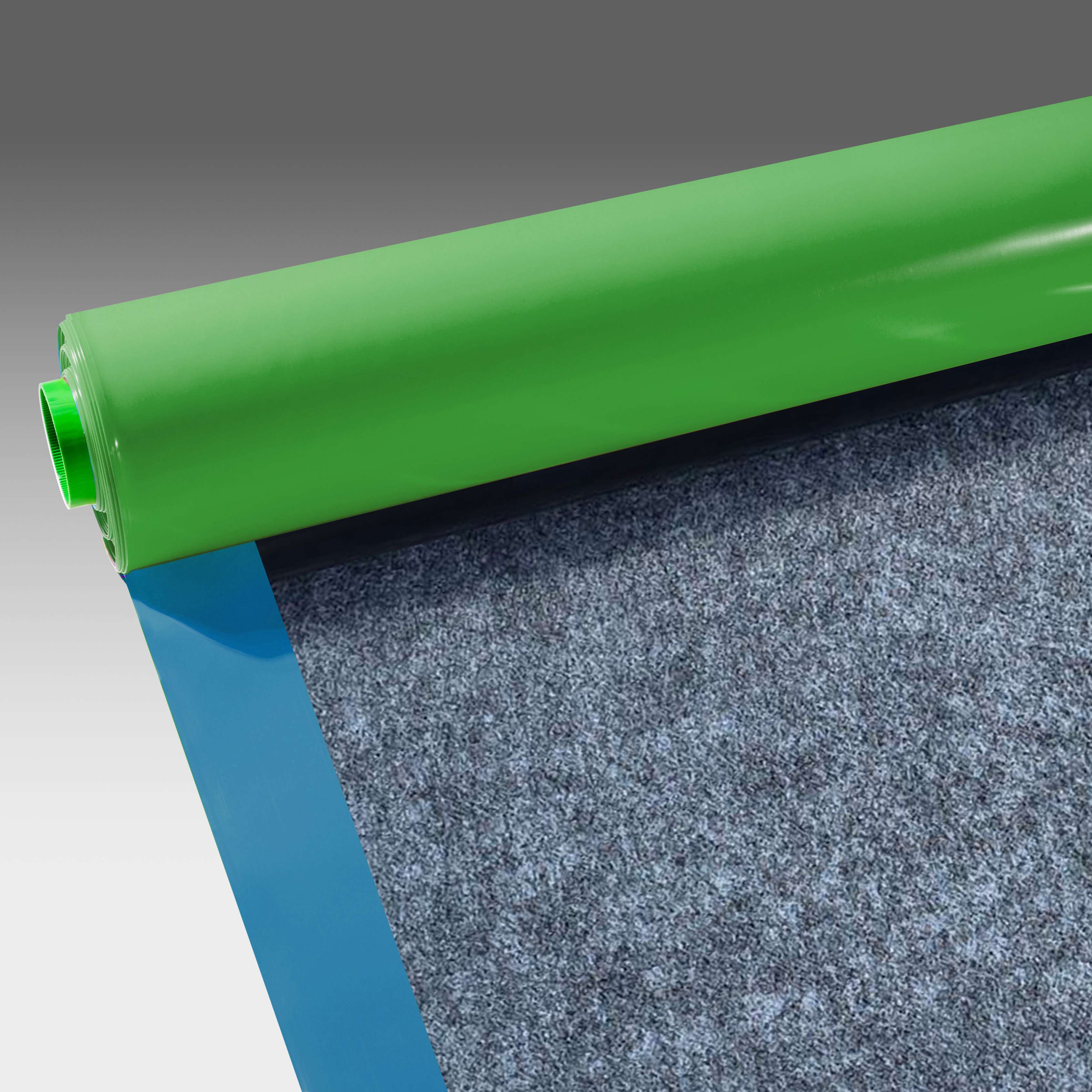
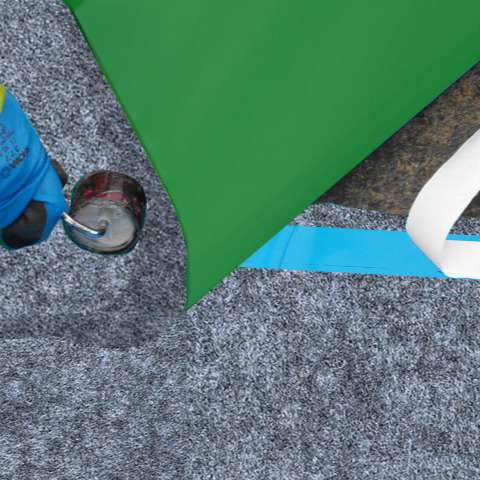
VOC NF pre-applied utilises a fleece layer to adhere to wet concrete, holding the membrane in place when formwork is removed, preventing movement of the membrane if subsidence occurs around the base structure.
A high-performance, non-foil membrane designed for pre-applied installation, delivering dependable protection against hydrocarbons and hazardous ground gases. Suitable for demanding commercial and construction applications, it helps safeguard buildings from CO₂, methane, radon and volatile organic compounds (VOCs), while also providing an effective damp-proof barrier. Certified to EN 13967 and compliant with BS 8485 and NHBC NF94.
Roll size: 2.0m × 30m

Powerbase Accessories
Fixtures, adhesives and analytical software
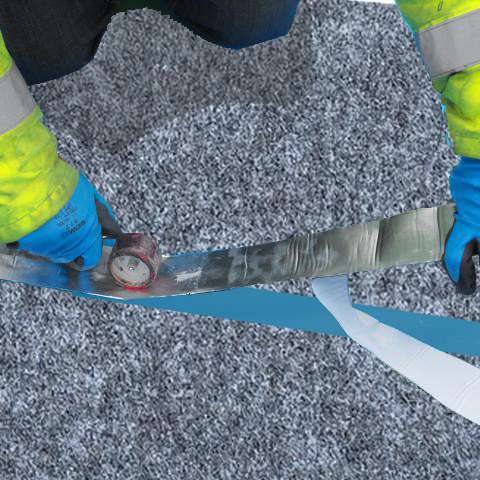
ITP also supplies a range of accessories designed to ensure our Powerbase gas barrier membranes are correctly deployed and installed to the required standard. Please contact us with any installation advice or technical queries you may have.
- Foil tape for use with Powerbase Low Perm, Multigas and VOC
- Foil detailing tape for use with Powerbase Multigas and VOC
- Double-sided butyl tape for use with Low Perm, Multigas and VOC
- Top hats in a wide range of sizes to suit most protrusions.
- Corner pieces available as both internal and external prefabricated items, made to order.
ITP’s Powerbase VOC barrier membrane is also supported by Powerbase VOC Modeller, our bespoke software application which enables accurate assessment for a wide range of potential contaminants on brownfield land and former industrial sites. Powerbase VOC Modeller is unique in the level of detail and accuracy it provides.


What functions do ground gas barrier membranes provide?
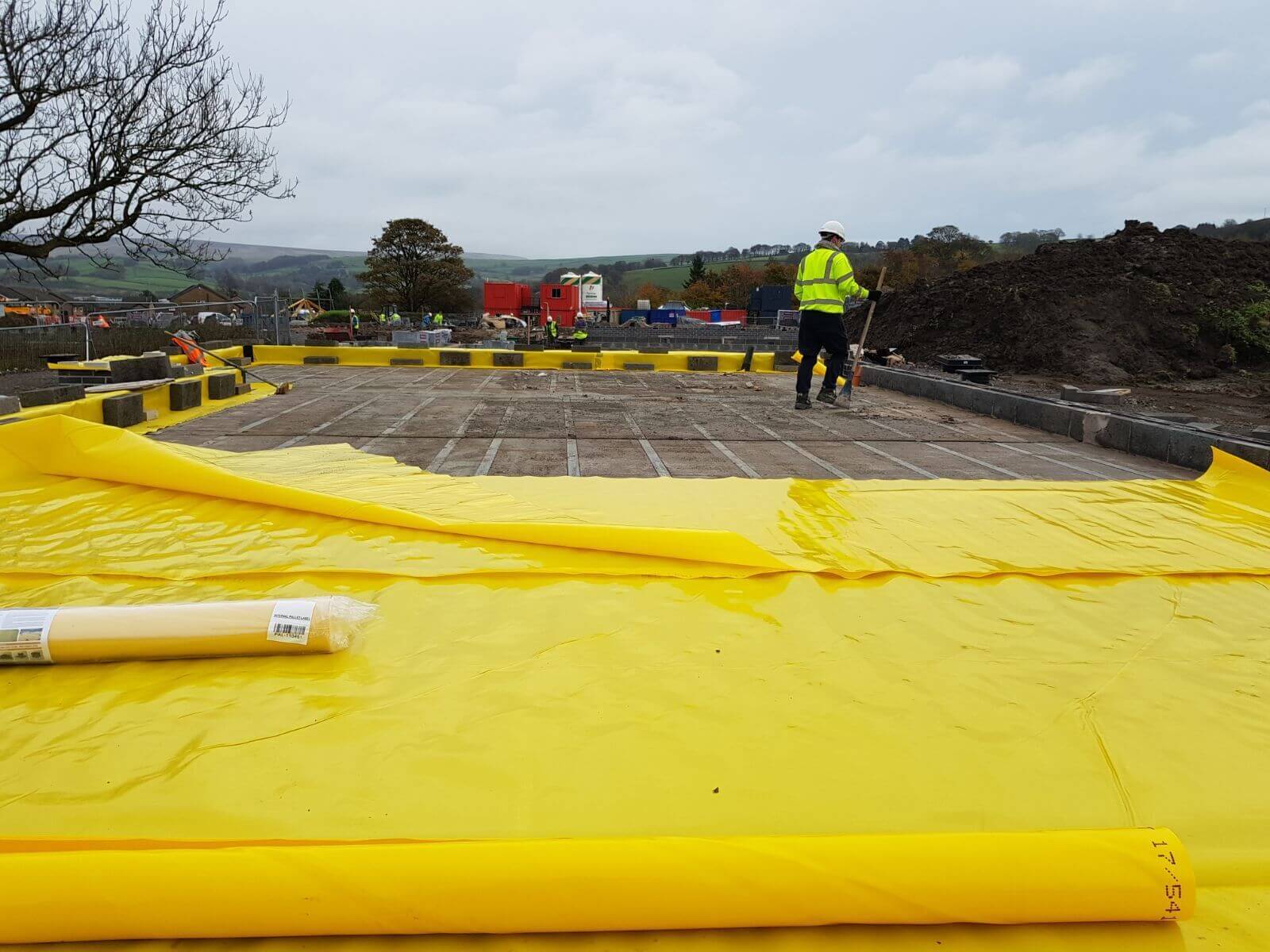
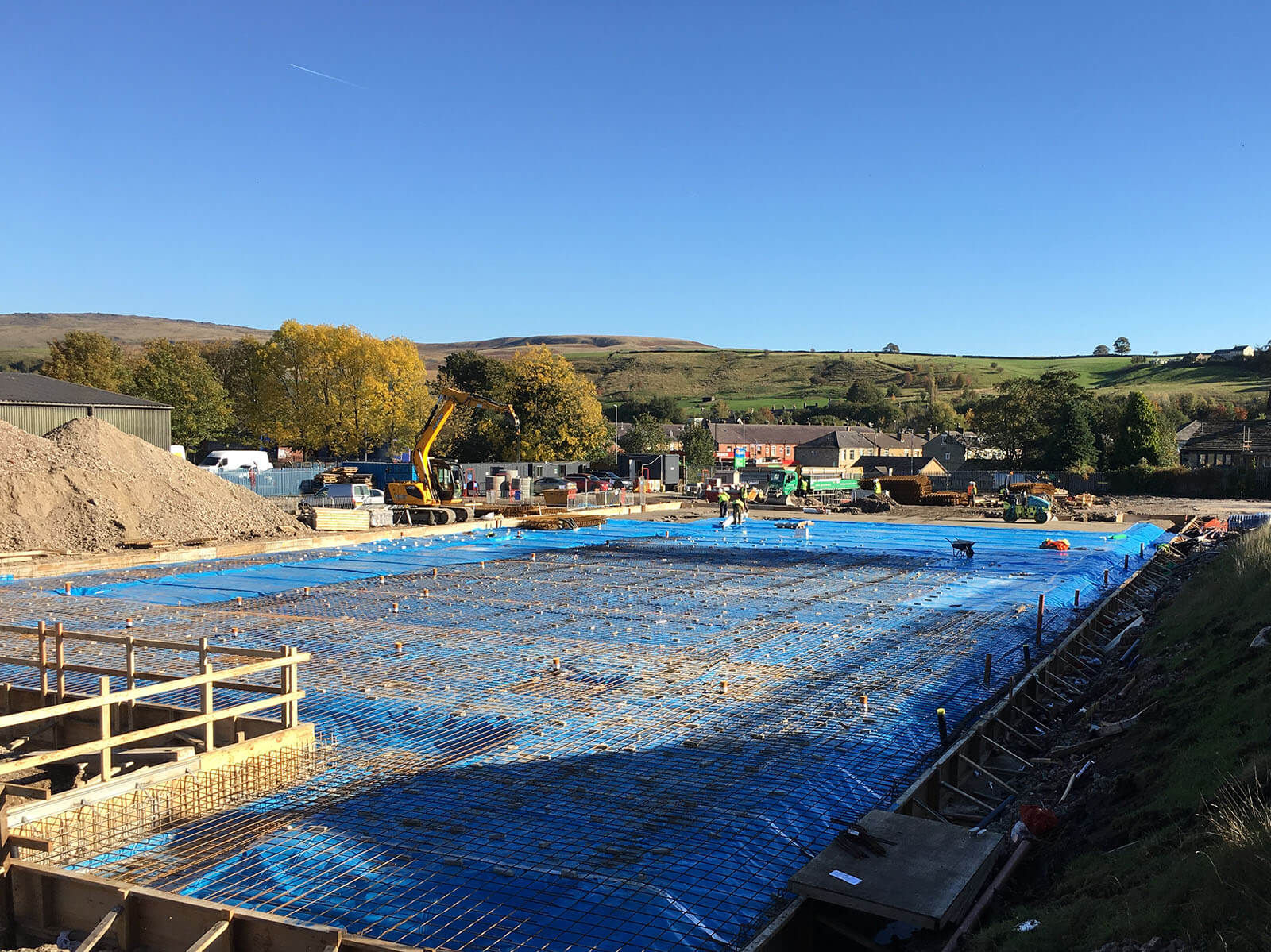
A gas barrier membrane is a critical component in foundation construction, designed to prevent harmful gases such as radon, methane, and volatile organic compounds (VOCs) from infiltrating buildings. These gases can pose significant health risks to occupants if allowed to accumulate indoors. The membrane forms an impermeable seal over the foundation and is typically installed in conjunction with a high-permeability ventilation layer to facilitate the safe dispersion of gases.
To be effective, the membrane must be continuous and properly sealed at all joints, service penetrations, and terminations. Overlapping sections should be securely bonded using appropriate tapes or sealants to prevent leaks. Additionally, compatibility with other foundation components, such as damp-proof membranes, is essential to avoid compromising either function.
In some cases, multi-layered or reinforced membranes may be used for added durability, particularly in areas with high concentrations of hazardous gases. Proper installation is key, requiring careful handling to prevent punctures or tears that could reduce effectiveness.
Regulatory requirements and building codes often dictate the type and specification of gas membranes depending on site conditions. Conducting a thorough site risk assessment will help determine the most appropriate system, ensuring long-term protection for the building and its occupants.
Why do we need protection against radon?
Radon comes from the decay of uranium in rocks and soil. Commonly found over granite formations, it’s a colourless, odourless and radioactive gas. Extended exposure to radon can be harmful. When you breathe in radon gas, it goes into your lungs and exposes you to small amounts of radiation. This may damage the cells in the lining of the lungs and increase the risk of lung cancer. Current figures estimate that 1000 deaths a year in the UK can be attributed to lung cancer caused by radon. The risk is higher in those who have lived or worked for many years in a radon-contaminated building. Buildings that occupy land containing certain levels of radon are prone to contamination. The radon level in the air we breathe outside is very low but can be higher inside buildings.
In many cases, radon levels aren’t an issue, but Building Regulations require all new buildings and extensions/conversions to undergo protective measures to ensure they are adequately shielded from radon.
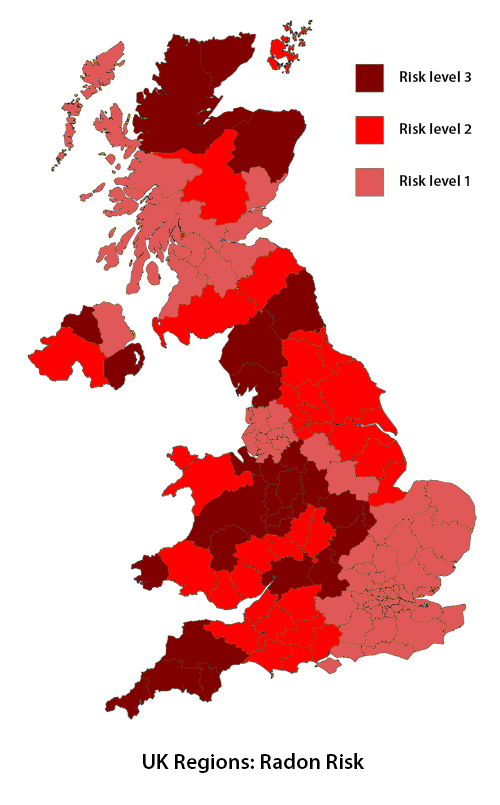
Where in the UK is radon concentrated?
The most prominent areas to find high levels of radon gas are in Wales and the South West of England. There are also concentrated areas in some parts of the North West England, North East England and the Midlands. However, radon can occur in any region of the UK.
The only way to know if a building has a high radon level is to have it tested. If you live or work in a radon affected area, we recommend that a test is arranged. If you plan to build a development in a radon affected area, we recommend that you test the site to determine whether any protective solutions are required as part of your construction scheme.
Why do we need protection against VOCs?
Special consideration should be given to sites contaminated by Hydrocarbons or VOCs. These are very mobile compounds and will migrate relatively easily through unsuitable membrane materials. Aluminium laminates are superb gas barriers but these materials will delaminate when exposed to hydrocarbon vapour/VOCs. Furthermore, the aluminium layer is susceptible to oxidation due to moisture penetrating the exposed edges. A comprehensive range of task-specific engineered barriers and accompanying Accessories provide consultants and design engineers effective barrier solutions and for the contractor a rapid, simple and cost- effective installation.
VOCs, hydrocarbon vapours and other toxins are found on many brownfield sites, especially land previously occupied by chemical and paint works, timber treatment, petrochemical plants and fuel stores, petrol stations, tanneries, paint factories, paper mills, coalfields, disposal and landfill sites. Some naturally occurring gases are also harmful and these include radon, methane and carbon dioxide.
HDPE and other homogenous membranes, many of which claim to be hydrocarbon resistant, are in fact quite permeable to certain toxic vapours and gases and do not offer adequate protection.
Regulations and performance requirements for ground gas barrier membranes
The primary UK standards governing building on contaminated land and ground gas barrier membranes include BS8485, a standard that addresses protection against methane and carbon dioxide, offering a points-based system to achieve appropriate protection levels. The standard came into use in 2007 and has had three amendments, the latest edit is BS8485:2015+A1:2019.
The NHBC Traffic Light System provides a risk-assessment approach for site contamination using a color-coded system, ranging from green (low risk) to red (high risk), indicating the level of contamination.
Construction Industry Research and Information Association (CIRIA) provides guidance on the installation and verification of ground gas protection systems and the use of membranes as barriers against VOCs. CIRIA have released two documents – C735 and C748 – on the installation and verification of ground gas protection measures and the use of membranes as VOC barriers.
BR414 is an important document with reference to protective measures for housing on gas-contaminated land. Its standards specify the minimum requirements for using ground gas barrier membranes to prevent radon ingress, particularly in radon-prone areas.
Gas transmission rate is a key metric in the performance of a gas barrier membrane. This should be tested in accordance with EN15105-1.
Related products
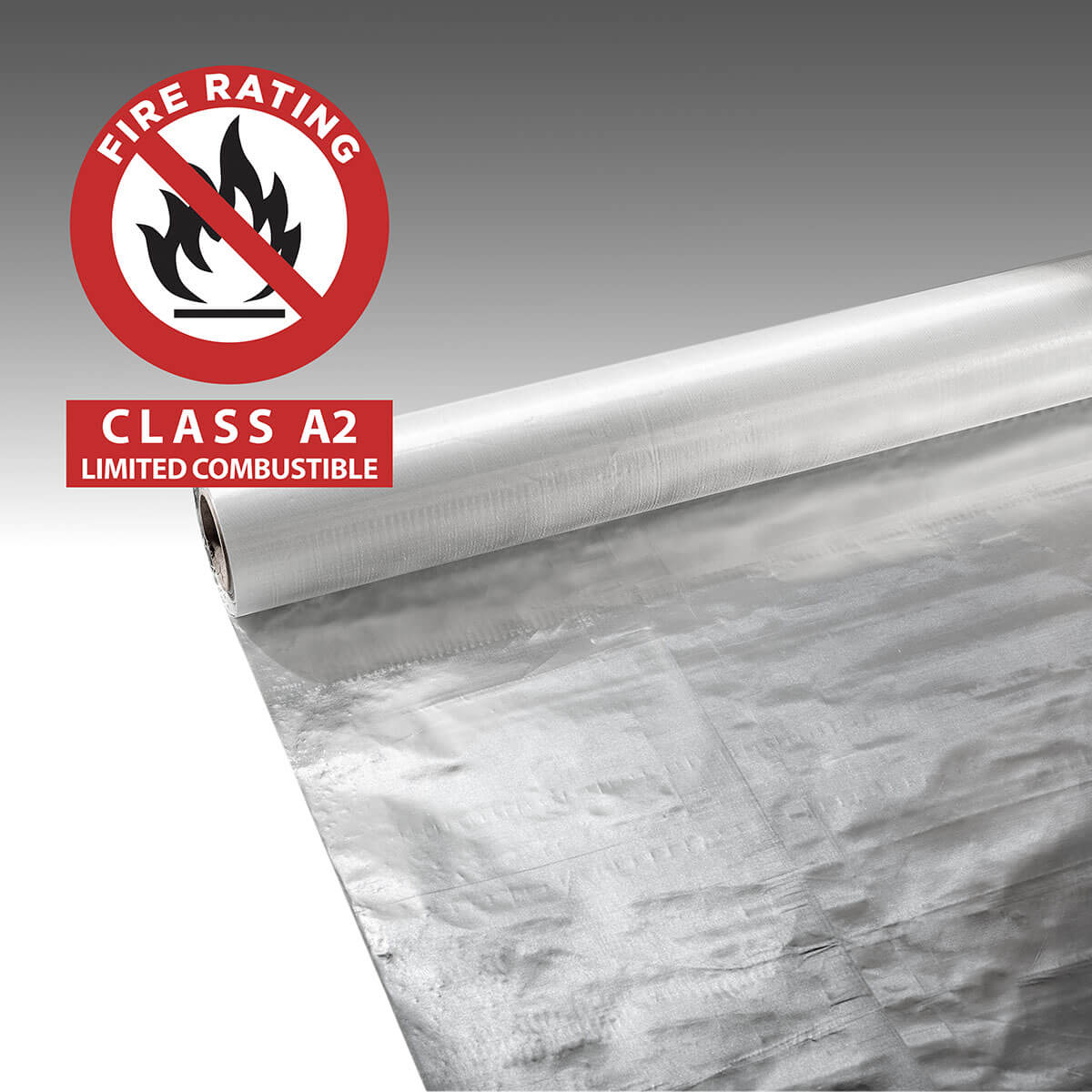
FlameOut Block Class A vapour control layer
The FlameOut Block Class A vapour control layer is glass-based woven scrim and an aluminium layer with a special protection coating to protect the aluminium layer from corrosion.
Read more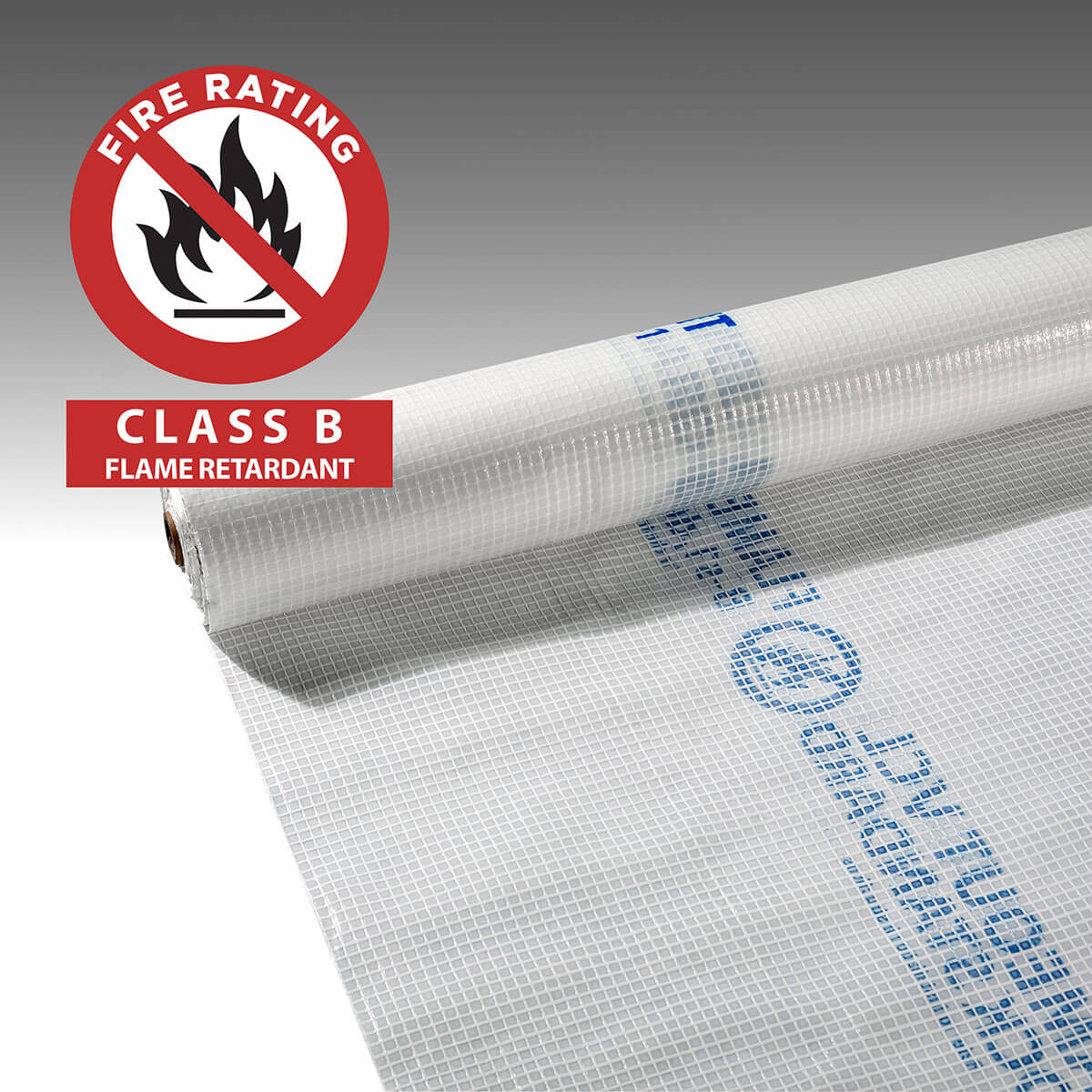
FlameOut Block Standard vapour control layer
FlameOut Block Standard is polyethylene-based vapour control layer with a mono-filament reinforcement scrim to provide excellent tensile strength in wall and roof insulations.
Read more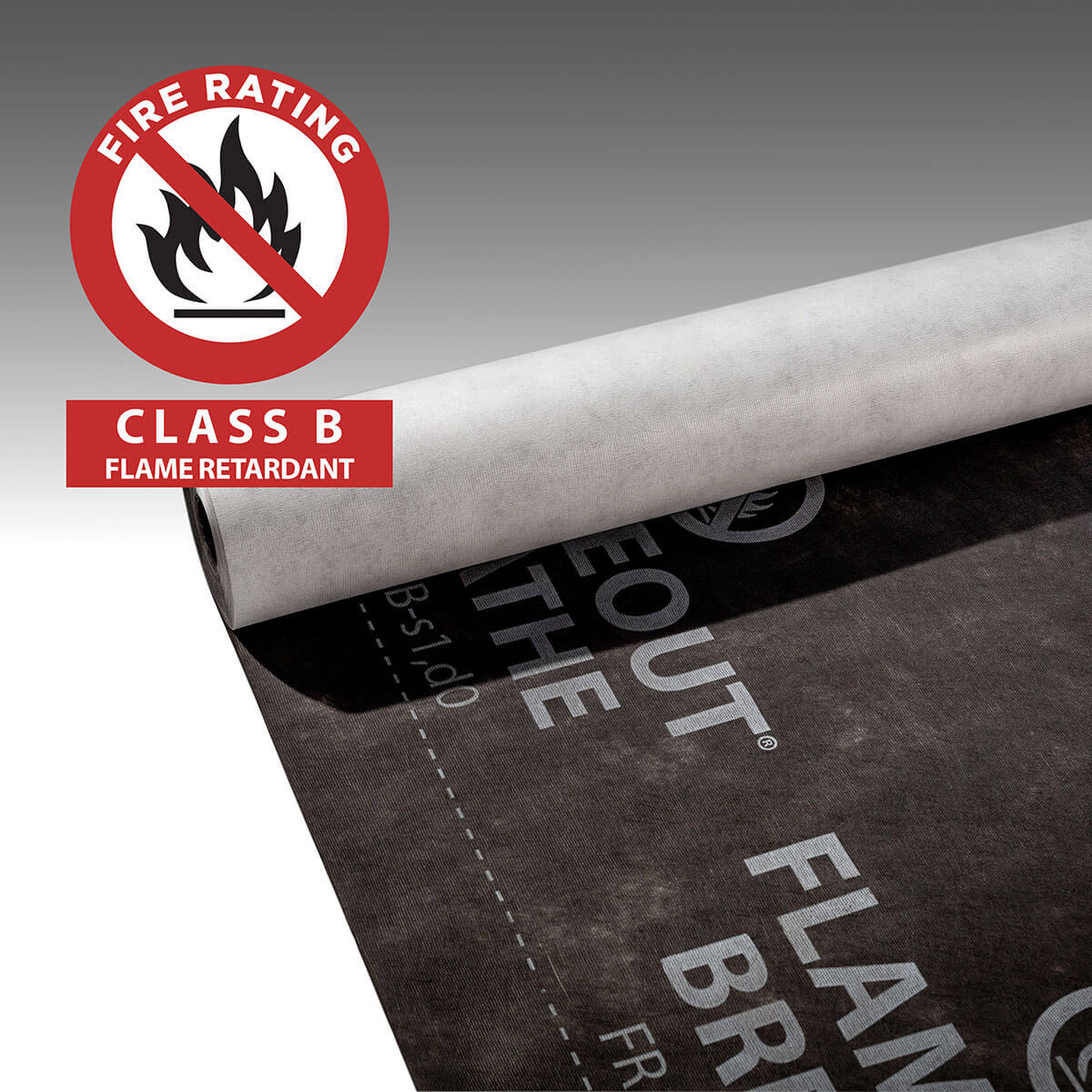
FlameOut Breathe
FlameOut Breathe is made from breathable, non-woven fabrics with superior self-extinguishing, flame-retardant properties. FlameOut Breathe FR is independently tested to EN 13501-1.
Read more